
Corporate News
Company News
- Carved aluminum veneer, the fashionable choice for modern architecture!
- Aluminum veneer for exterior walls, a dual choice of aesthetics and practicality!
- Carved aluminum veneer, a work of art that combines fashion and practicality
- How much is one square meter of carved aluminum veneer? Uncover its unique charm!
- Aluminum veneer: the 'invisible star' of the construction industry
Industry dynamics
- Aluminum veneer, your new partner in architectural aesthetics!
- Environmental certification standards for 5 aluminum veneer panels
- Aluminum veneer customization, recommended source of goods in Zhanjiang!
- Aluminum veneer exterior wall, a dual choice of aesthetics and practicality
- Production process and equipment maintenance of aluminum veneer, measures to improve production efficiency
Frequently asked questions
- What are the different types and models of aluminum veneer?
- What are the main application areas of aluminum veneer?
- What factors affect the price of aluminum veneer?
- What is the difference between aluminum veneer and other metal materials?
- What is the production process of aluminum veneer?
contact us
Mobile:+86 15627778610
Email: 2201229786
Address: No. 5 Binjiang Road, High tech Zone, Zhaoqing City, Guangdong Province
Surface treatment technology and texture effect of aluminum veneer
- Author: Supreme Building Materials (Guangdong) Co., Ltd
- Release time: February 22, 2025 23:38:53
- Click:0
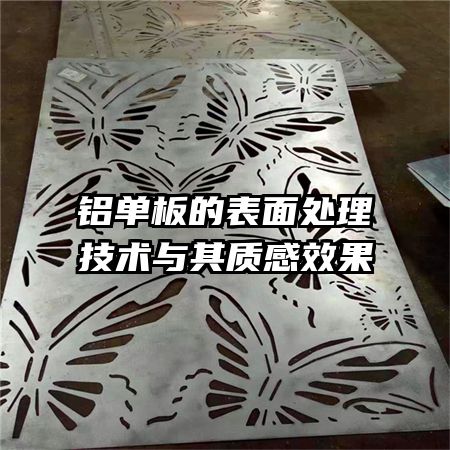
1、 The influence of surface treatment technology on the texture effect of aluminum veneer
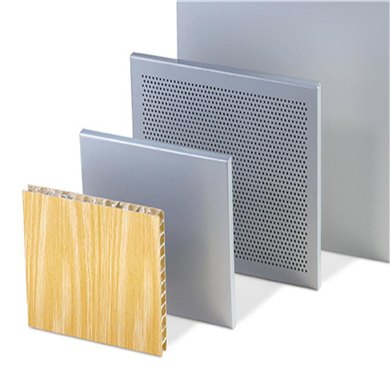
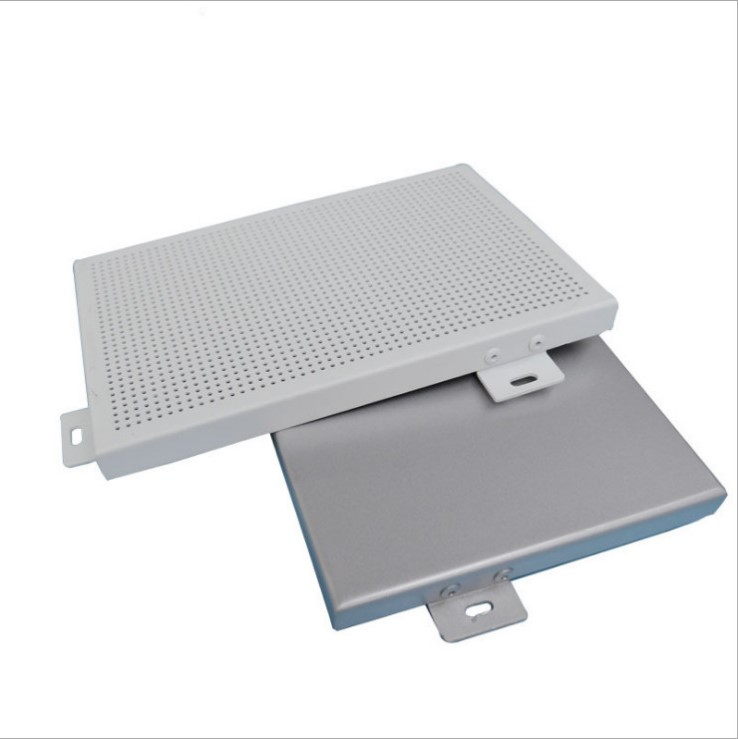
Surface treatment technology is an important factor in determining the texture of aluminum veneer, mainly including anodizing, electrophoretic coating, spray coating, and powder coating. Among them, anodizing is one of the most common treatment methods, which can effectively enhance the corrosion resistance, wear resistance, and hardness of aluminum veneer. Electrophoretic coating and spray coating can endow aluminum veneer with richer colors and textures, greatly enhancing its artistic and fashionable sense. Powder coating is commonly used in outdoor environments and has good sun protection and weather resistance.
In addition, different surface treatment techniques can also have varying effects on the texture of aluminum veneer. For example, the surface of anodized aluminum veneer is relatively uniform and smooth, presenting a metallic texture; The surface of aluminum veneer coated and sprayed by electrophoresis often has a certain texture and pattern, making it look more three-dimensional and rich. Therefore, for different architectural designs and decorative styles, it is necessary to choose different surface treatment techniques to reflect the best texture effect.
In short, surface treatment technology has a significant impact on the texture effect of aluminum veneer, and architects and decoration engineers need to choose suitable technical solutions according to different needs.
2、 The coordination between color and texture
The color matching and texture effect of aluminum veneer are also closely related. The correct color matching can greatly enhance the texture effect of aluminum veneer, while improper selection may damage the visual effect of the entire building.
Generally speaking, light and bright aluminum veneers better reflect their metallic texture and fashion sense, while dark aluminum veneers are more suitable for creating a calm and restrained atmosphere. At the same time, the combination of buildings made of different materials and aluminum veneers also needs to pay attention to their color coordination. For example, combining red bricks with silver gray aluminum veneers can highlight the natural and historical feel of red bricks, while also highlighting the modern and technological feel of aluminum veneers.
In the actual process of architectural design, the coordination between color matching and texture effect requires multiple attempts and experiments to ultimately achieve the best effect.
3、 The impact of surface treatment technology on building appearance
Aluminum veneer is widely used in the exterior wall decoration of modern buildings. Its surface treatment technology not only affects the texture and effect of the aluminum veneer itself, but also directly determines the overall appearance of the building.
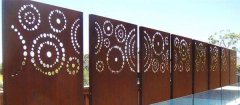
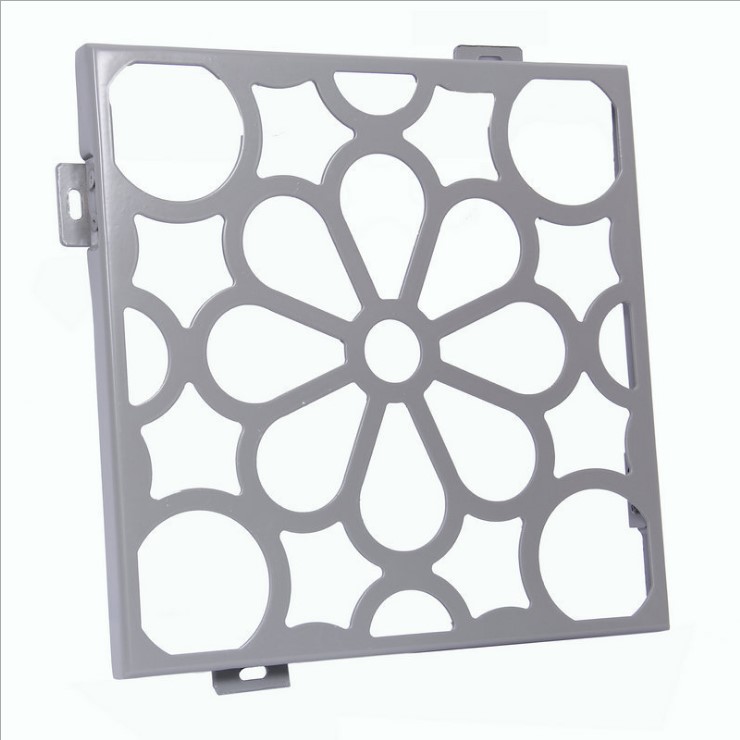
Compared with traditional materials such as stone and glass curtain walls, aluminum veneer has more design possibilities and innovation. By using different surface treatment techniques, aluminum veneer can present various visual effects such as texture and texture, while combining different color combinations can achieve the embodiment of multiple architectural styles.
The aesthetic evaluation criteria for building appearance are constantly changing, and the production process of aluminum veneer is also constantly upgrading and developing. Therefore, architects and decorative engineers need to constantly update their understanding and technology to meet market and consumer demands.
4、 The relationship between texture effect and interior design
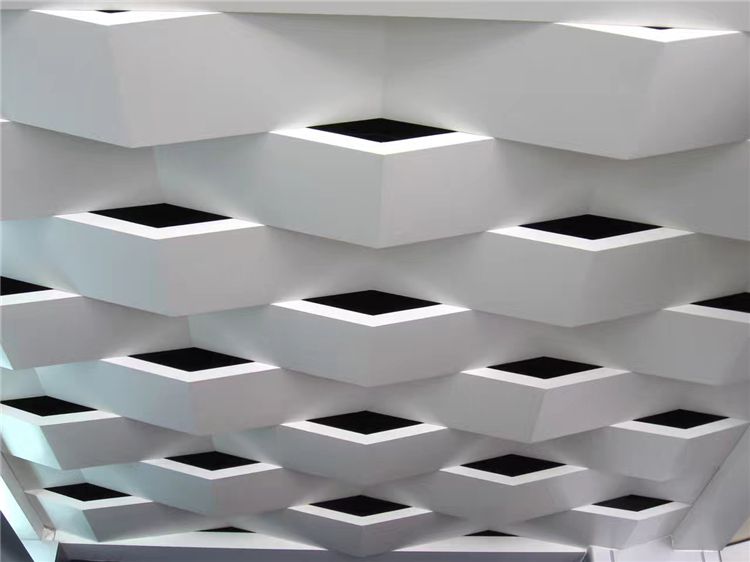
In addition to exterior wall decoration, aluminum veneer is also widely used in interior design, such as ceilings, walls, ceilings, etc. The decoration of indoor spaces often pays more attention to details and texture effects, and the material characteristics and surface treatment technology of aluminum veneer can maximize its functionality.
Through different surface treatment techniques, aluminum veneer can present different textures and textures, creating a rich and diverse texture effect. For example, aluminum veneers using spray coating technology can create wall decorations with artistic and three-dimensional effects. Aluminum veneers using anodizing technology can create a minimalist style of metal.
In short, the material characteristics and surface treatment techniques of aluminum veneer have a crucial impact on the texture effect of interior design, and precise matching and selection are needed according to the spatial requirements and design style.
5、 Summary:
In the construction industry and interior design field, aluminum veneer, as a new type of decorative material, has become the first choice for designers and consumers due to its material characteristics and surface treatment technology advantages. The correct surface treatment techniques and color matching can maximize the texture effect of aluminum veneer, while meeting the needs of different architectural styles and interior designs. Therefore, in future development, research and application of aluminum veneer materials and surface treatment technologies should be strengthened to bring more innovation and breakthroughs to the construction industry.
 Customer service QQ