
Industry information
Company News
- Aluminum veneer customization, perfect balance between speed and quality
- The secrets of perforated aluminum veneer and honeycomb aluminum sheet are revealed!
- Carved aluminum veneer: a fashionable choice for modern architecture
- Aluminum veneer, the fashionable outerwear of modern architecture
- Aluminum veneer: the fashionable "cloak" in modern architecture
Industry dynamics
- Customize your aluminum veneer, a personalized journey in the aluminum world
- Which company should I choose for transparent price of aluminum veneer exterior walls?
- Four key elements tell you how to quickly customize high-quality aluminum veneer
- What are the cleaning and maintenance methods for fluorocarbon aluminum veneer?
- Unique craftsmanship presents carving roller coated aluminum veneer for architectural decoration
Frequently asked questions
- What is the difference between aluminum veneer and other metal materials?
- What factors affect the price of aluminum veneer?
- What are the advantages of aluminum veneer?
- What is the production process of aluminum veneer?
- What are the installation methods and precautions for aluminum veneer?
contact us
Mobile:+86 15627778610
Email: 2201229786
Address: No. 5 Binjiang Road, High tech Zone, Zhaoqing City, Guangdong Province
Aluminum veneer is not just a board!
- Author: Supreme Building Materials (Guangdong) Co., Ltd
- Release time: 2022-02-26 20:30:59
- Click:0
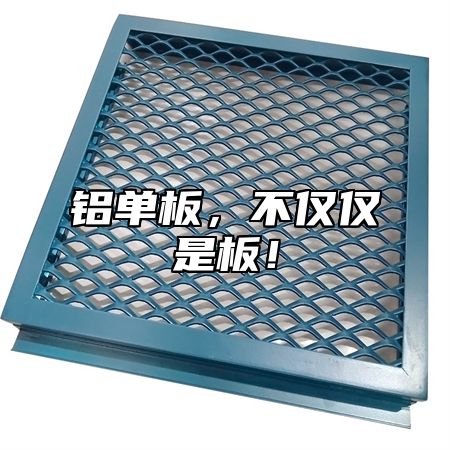
Hello everyone! Today let's talk about aluminum veneer, a popular material in the field of architectural decoration. You may think that aluminum veneer and aluminum buckle plate are the same thing, but in fact, they have quite a big difference. Below, I will give you a detailed overview.
What is the difference between aluminum veneer and aluminum buckle plate
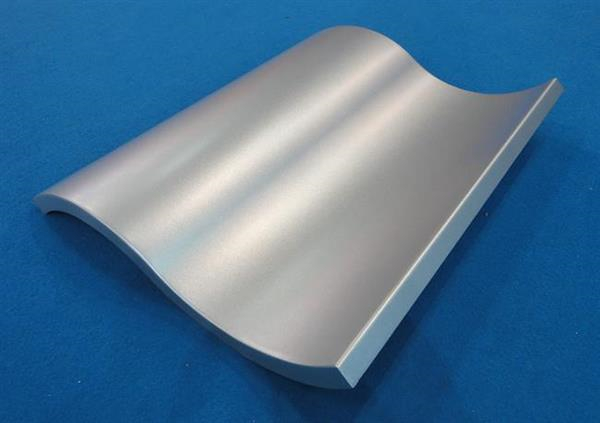
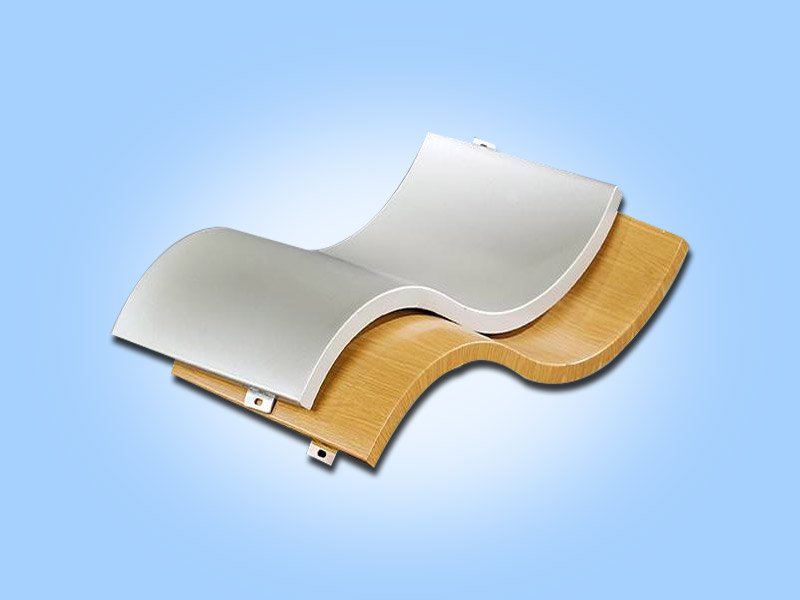
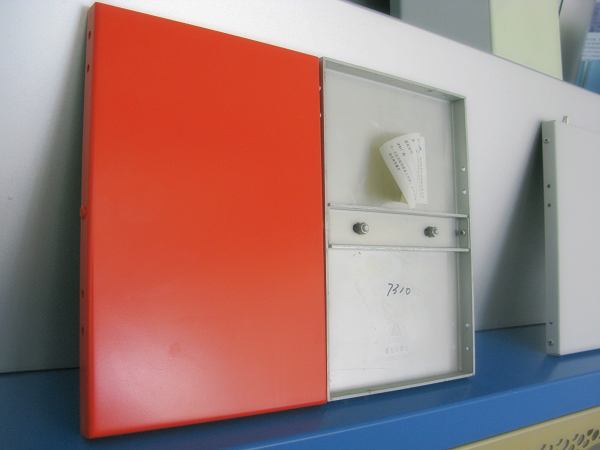
Aluminum veneer is an aluminum plate produced by continuous hot rolling or cold rolling process, with various surface treatments, mainly used for exterior wall decoration of buildings. Aluminum buckle plate is made of aluminum plate as the base material, processed through punching, embossing and other processes, and is mostly used for ceilings and interior decoration. Aluminum veneers are more like "exterior wall coverings", while aluminum buckle plates are more like "ceiling caps".
What are the specifications of aluminum veneer
There are many specifications for aluminum veneer, with a thickness generally between 0.5mm and 8mm, a width ranging from 600mm to 2000mm, and a length that can also be customized. However, the most common thicknesses are 2mm and 3mm, and widths are 600mm and 1200mm. Choosing the appropriate specifications can make your building both beautiful and practical.
What are the types of aluminum veneers
There are also various types of aluminum veneer, mainly including the following:
1. Aluminum honeycomb panel: The honeycomb structure increases the strength and stability of the panel, making it suitable for large-area exterior wall decoration.
2. Aluminum magnesium manganese alloy plate: corrosion-resistant and weather resistant, suitable for construction in coastal areas.
3. Aluminum plastic composite panel: Combining the advantages of aluminum and plastic, it is lightweight and easy to install.
4. Aluminum mesh panel: The surface is designed with mesh holes, which have functions such as breathability, transparency, and anti slip.
What are the differences between aluminum veneer and aluminum-plastic panel
The biggest difference between aluminum veneer and aluminum-plastic panel lies in the material and processing technology. Aluminum veneer is made of pure aluminum material and has various surface treatments; Aluminum plastic panels are made of aluminum foil as the substrate, covered with plastic film on both sides, and sandwiched with foam material in the middle. Aluminum plastic panels are lightweight and have good sound and heat insulation effects, but their weather resistance is slightly inferior to aluminum veneers.
Speaking of which, you may still have a question: why is aluminum veneer so popular? This is mainly because it has several advantages:
1. Aesthetics: Aluminum veneer has rich surface treatment and diverse colors, which can meet the needs of different architectural styles.
2. Durable: Aluminum veneer has good corrosion resistance and weather resistance, with a long service life.
3. Easy to install: Aluminum veneer is easy to install and saves manpower and material resources.
4. Environmental Protection: Aluminum veneer is recyclable and meets the requirements of green buildings.
Do you remember a story I mentioned before? Once, I was a guest at a friend's house, which had just been renovated. When I looked at it, I saw that the walls were made of aluminum veneer, which was high-end, atmospheric, and upscale. My friend told me that this material is both beautiful and practical, and its durability is particularly strong. Since then, I have been particularly interested in aluminum veneer.
Aluminum veneer is not without its drawbacks. It has a relatively high price and strict construction requirements, making it less suitable for self built houses. Aluminum veneer is a cost-effective building material worth learning about.
What I want to say is that when choosing aluminum veneer, you should choose the appropriate specifications, types, and colors based on your actual needs. After all, what suits oneself is the best. I hope this article can help you better understand aluminum veneer and add a touch of brightness to your building!


 Customer service QQ